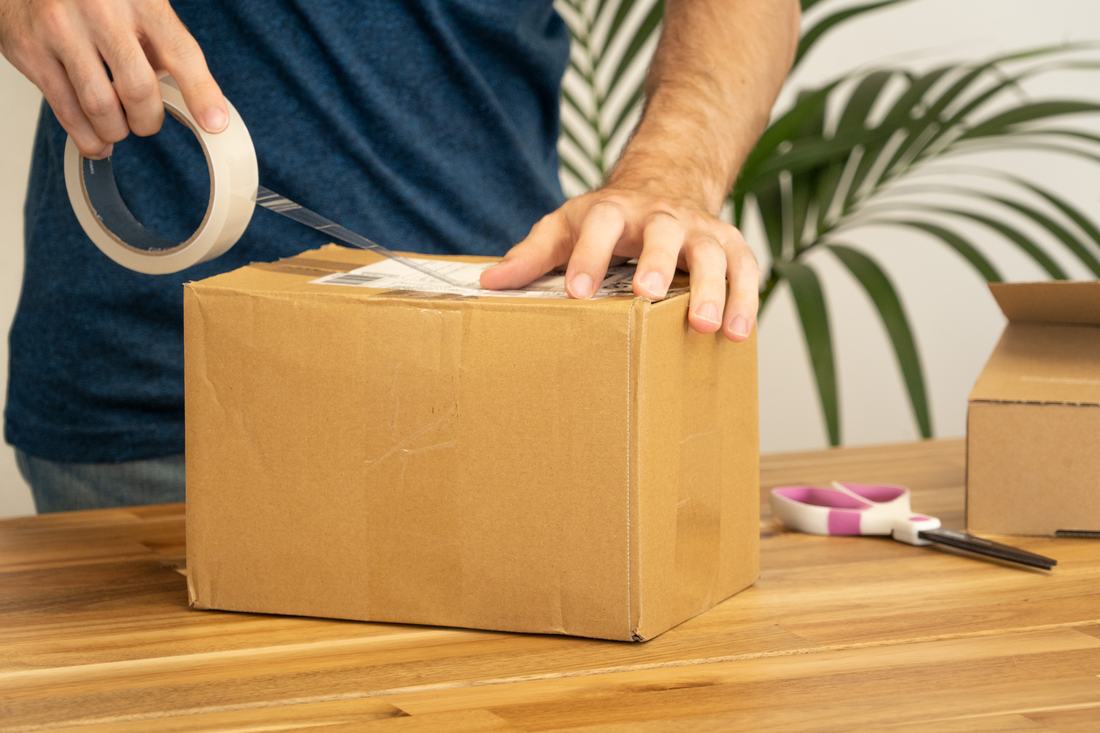
Dropshipping sounds simple: list a product, and when someone buys it your supplier ships it straight to them, so you never hold stock. In India the model works, but not the way the YouTube ads describe it. Long shipping from China, cash-on-delivery refusals, and GST rules all change the maths, and a seller in Nagpur or Kochi needs a setup built for how Indians actually buy.
This guide covers how to start dropshipping in India in 2026: the three routes that work here, what each costs, the documents you need, how to handle payments and returns, and who should not bother. It is written for beginners with a small budget and no existing store.
Quick Verdict
Start with a domestic route, not AliExpress. For most beginners the fastest start is reselling through a marketplace like Meesho or using an Indian print-on-demand supplier, then moving to a branded Shopify store once sales repeat. Every route needs a shipping aggregator: Shiprocket is the common default for courier choice and RTO tracking.
This post contains affiliate links. If you buy through them, we may earn a commission at no extra cost to you.
Ways to Dropship in India: Compared
| Route | Best For | Cost (Rs.) | Rating |
|---|---|---|---|
| Meesho reselling | Zero-budget start, Tier-2 and Tier-3 buyers | Free; approx Rs. 40 to 70 shipping per order | 4.0/5 |
| Print on demand (Qikink / Printrove) | Custom-branded products, no stock | No subscription; pay per order | 4.3/5 |
| Domestic suppliers via IndiaMART | Sourcing local wholesalers to ship for you | Free buyer account | 3.6/5 |
| Own Shopify store + DSers/Spocket | Building a brand you control | Shopify from Rs. 1,994/month | 3.9/5 |
| AliExpress + Shiprocket | Niche products unavailable in India | Free; 15 to 40 day delivery | 3.1/5 |
Route 1: Reselling on Meesho
Meesho is the lowest-friction way to start. You pick products from Meesho’s supplier catalogue, share them under your own margin through WhatsApp, Instagram, or a Meesho reseller storefront, and Meesho handles packing, shipping, and returns. There is no listing fee and, for many categories, no GST needed to begin.
The weakness is margin and control. Meesho buyers are price-sensitive, so a Rs. 300 saree might carry only Rs. 30 to Rs. 50 of reseller margin, and several resellers often push the same product, which drags prices down. You are also building Meesho’s brand, not yours. Treat this as a way to learn order flow and customer handling on someone else’s infrastructure before you invest in a store.

Route 2: Print on Demand
Print-on-demand suppliers such as Qikink and Printrove hold no finished stock. You upload a design, list the product on your store, and the supplier prints and ships each unit only when it sells. There is no subscription with either, and dispatch runs 2 to 4 business days. Qikink tees start near Rs. 185 base and it charges no return-to-origin fee on cash-on-delivery orders, which matters because COD still drives most Indian orders.
This route gives you a real brand: your logo on the label, your packaging, your store. Margins are tight, though. After a Rs. 230-plus base cost, Rs. 60 shipping, a payment gateway cut, and any marketplace commission, a Rs. 549 t-shirt can leave under Rs. 150 profit, so design and audience matter more than the platform you pick.
Route 3: Your Own Shopify Store
Once a product sells consistently, a branded Shopify store (from about Rs. 1,994 per month) plus a supplier connector like DSers or Spocket lets you control pricing, data, and repeat customers. Add a payment gateway such as Razorpay for UPI, cards, and net banking, and a Shiprocket account for courier rates and RTO reporting. This is where a dropshipping side project becomes a business, but only after you have proof that people want the product.
Documents and Setup You Need
- PAN card and a current or savings bank account for payouts
- GSTIN – optional for your own site under Rs. 40 lakh turnover, mandatory for Meesho, Flipkart, or Amazon listings
- A payment gateway (Razorpay, Cashfree, or PhonePe) for a self-hosted store
- A shipping aggregator account (Shiprocket or Delhivery Direct) for courier pickup and tracking
- A return address where RTO parcels can be received
Who Should Skip This
Skip dropshipping if you expected passive income. Every route here needs daily work on ads, customer messages, and returns, and margins are thin enough that one bad courier week can wipe a month’s profit. Skip the AliExpress route entirely unless the product cannot realistically be sourced in India: 15 to 40 day shipping loses Indian buyers who now expect delivery in under a week. And if you have capital for even a small bulk order, buying 50 to 100 units from a domestic wholesaler usually beats dropshipping on both margin and delivery speed.
Frequently Asked Questions
Do I need GST to start dropshipping in India?
For your own website you can begin without GST while turnover is under the Rs. 40 lakh goods threshold. But every major marketplace, including Meesho, Flipkart, and Amazon, requires a GSTIN before you can list. Most sellers register early to keep options open.
How much money do I need to start dropshipping in India?
The reselling and print-on-demand routes can start under Rs. 2,000, which mostly covers a domain and sample orders. A branded Shopify store adds about Rs. 1,994 per month plus a payment gateway. You do not buy inventory upfront on any of these routes.
Is AliExpress dropshipping still worth it for Indian sellers in 2026?
Rarely. Shipping from China still takes 15 to 40 days, customs can add cost, and returns are painful. Indian buyers expect 2 to 6 day delivery and cash on delivery. Domestic suppliers or print on demand fit the market far better.
How do I handle cash on delivery and RTO losses?
Use a shipping aggregator such as Shiprocket that shows courier-wise RTO rates, enable partial-COD or OTP verification for first-time buyers, and keep prepaid discounts to shift the mix. Budget for 8 to 15 percent RTO on COD orders in your pricing.
Our Recommendation
Begin on Meesho or with an Indian print-on-demand supplier this week, using free tools and sample orders to learn how orders, COD, and returns actually behave. Open a Shiprocket account before your first order so you can compare courier RTO rates from day one. Move to a branded Shopify store with Razorpay only once a product has sold repeatedly. That order keeps your risk near zero while you find out what sells.
This post contains affiliate links. If you buy through them, we may earn a commission at no extra cost to you.