Picking between Cashfree and Paytm for your online store in India usually comes down to one frustrating moment: you are ready to go live, GST invoicing is sorted, and now you need a payment gateway that will not eat 3% of every UPI order from a customer in Bengaluru or Indore. Both platforms advertise themselves as the easy choice for small sellers, but their pricing pages tell very different stories, and one of them is far more transparent about what you will actually pay per transaction.
This comparison covers what Cashfree and Paytm actually charge, how their UPI and card fees stack up, and where each one makes sense depending on whether you are running a Shopify store, a WooCommerce site, or selling through a WhatsApp catalogue. It is written for first-time online sellers in India choosing their first payment gateway, not enterprise merchants negotiating custom rates.
Quick Verdict: Cashfree is the stronger pick right now thanks to its published 0% MDR offer on domestic transactions for new merchants signing up before March 2027, capped at Rs.20 lakh GMV a month. If you want a third option with a proven track record, Razorpay is worth comparing too. Paytm suits sellers who already use the Paytm ecosystem for offline QR collections and want one dashboard for both.
This post contains affiliate links. If you buy through them, we may earn a commission at no extra cost to you.

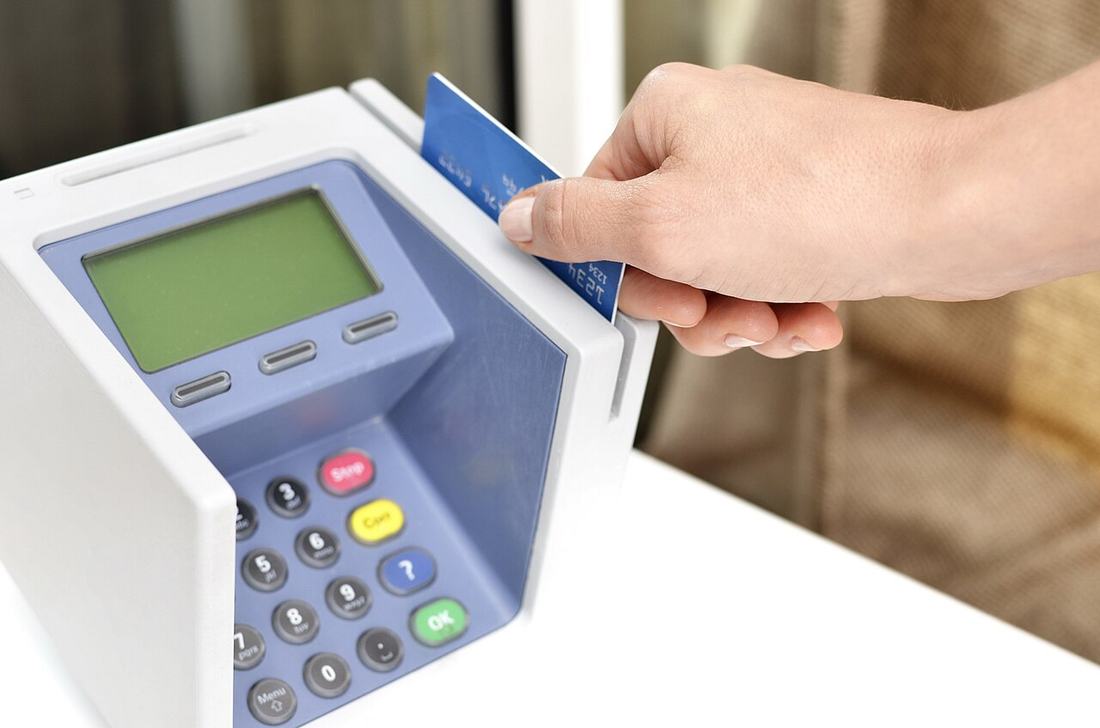
Photo: Santeri Viinamaki / Wikimedia Commons, CC BY-SA 4.0
Cashfree vs Paytm vs Razorpay: Quick Comparison
| Tool | Best For | Price (Rs./month) | Rating |
|---|---|---|---|
| Cashfree | 0% MDR promo, instant settlement | Rs.0 setup, 0% MDR till Mar 2027 (Rs.20L cap) | 4.4/5 |
| Paytm | Sellers already on Paytm QR/wallet | Custom pricing, quote on request | 4.0/5 |
| Razorpay | Established track record, wide docs | 2% + 18% GST standard domestic rate | 4.5/5 |
Cashfree: Full Breakdown
Cashfree’s current headline offer is 0% MDR on domestic transactions for merchants who sign up before March 31, 2027, capped at Rs.20 lakh in monthly GMV, which is more than enough headroom for most first-year sellers. Above that cap, or for UPI transactions over Rs.2,000, RBI-regulated MDR rules apply, since UPI fee waivers are a regulatory matter, not something any single gateway controls.
What stands out is that Cashfree publishes this clearly on its own site: zero setup fee, zero Annual Maintenance Charge, and Payment Links, Payment Forms, and softPOS included at no extra cost. Settlement is T+1 by default, with instant settlements available within 15 minutes as a standard feature rather than a paid add-on, which matters if you are managing cash flow for GST payments or restocking from a Kanpur or Jaipur supplier. International card transactions run at 2.99%, a shade under the 3% plus GST that Cashfree’s own comparison page cites for Razorpay’s standard rate.
Paytm: Full Breakdown
Paytm’s Payment Gateway sits under its broader “Paytm for Business” umbrella and supports UPI, cards, netbanking, and EMI in one integration, which is a real convenience if you already use a Paytm QR code for in-person sales and want both channels reconciled in one dashboard. The catch is transparency: unlike Cashfree, Paytm’s public pricing pages do not list transaction fee percentages, UPI-specific charges, or setup costs. You are directed to contact their business sales team for a quote, which adds a step most solo sellers would rather skip when comparing gateways.
For sellers who value one unified wallet-plus-gateway ecosystem and are comfortable calling sales for a number, Paytm remains a reasonable choice. For anyone who wants to see the actual cost before signing up, that lack of published pricing is the real friction point, and it is the honest reason Cashfree edges ahead in this comparison.
Razorpay: Full Breakdown
Razorpay is included here because it is the gateway most Indian sellers already recognize, and its standard domestic rate is commonly cited at 2% plus 18% GST, according to Cashfree’s own published comparison. It has some of the most detailed developer documentation of the three, which helps if you are integrating custom checkout flows rather than using a plug-and-play plugin. It does not currently match Cashfree’s 0% MDR promotional pricing, so if flat cost is your only deciding factor today, Cashfree has the edge until that offer changes.
How to Choose Between Cashfree and Paytm
Start with what you can measure today. If you can get a live number in under five minutes without a sales call, that gateway is more transparent by definition, and right now that is Cashfree. Its 0% MDR page lists the cap, the expiry date, and the fallback rules for UPI over Rs.2,000 in plain terms, which lets you model your actual take-home on a Rs.999 order before you integrate anything. Paytm’s equivalent page routes you to a contact form, and the quote you get back depends on your projected volume, which is standard practice for gateways with negotiable enterprise pricing but frustrating when you are still deciding between three options.
Settlement speed is the other practical factor sellers underweight. Cashfree includes instant settlement within 15 minutes as a standard feature, not a paid upgrade, which matters when you are restocking print-on-demand supplies from a Kanpur vendor and cannot wait the usual T+1 cycle for cash to clear. If Paytm’s team quotes a similar instant-settlement feature at parity, the decision comes down to which ecosystem your customers already trust more, since UPI apps and wallet familiarity vary by region and by how digitally native your buyer base is.
Who Should Skip Cashfree
If your business already runs entirely on Paytm’s ecosystem, offline QR codes included, and you would rather keep one login and one settlement report than juggle two dashboards, switching to Cashfree purely for the 0% MDR offer may not be worth the migration effort for low transaction volumes. Sellers doing under Rs.50,000 a month in online sales might find the fee difference too small to justify the switch, especially if their current Paytm relationship already includes a negotiated rate.
Frequently Asked Questions
Which is cheaper, Cashfree or Paytm, for Indian sellers?
Cashfree currently publishes a 0% MDR offer on domestic transactions for new merchants (capped at Rs.20 lakh GMV monthly, valid through March 2027). Paytm does not publish comparable numbers, so you would need a direct quote to compare accurately.
Does Cashfree charge for UPI payments?
UPI transactions under Rs.2,000 are covered under the 0% MDR promotional terms for eligible new merchants. Transactions above Rs.2,000 follow RBI-regulated MDR rules that apply across all gateways, not just Cashfree.
Can I use Paytm payment gateway without a registered company?
Most Indian payment gateways, Paytm included, require standard KYC documents such as PAN and a bank account, and typically a GST number once you cross the registration threshold. Sole proprietors can usually onboard with proprietorship documents.
Is Cashfree safe for small business payments in India?
Yes. Cashfree is RBI-authorized and PCI-DSS compliant, the same baseline security standard used across major Indian payment gateways including Razorpay and Paytm. It also settles funds directly to your registered bank account, so you are never holding customer payments in a third-party wallet longer than the settlement cycle you choose.
Further Reading
This post contains affiliate links. If you buy through them, we may earn a commission at no extra cost to you.